
On 20 October, Rubbing · Translation: An Exhibition of Works by Nick Hornby opened at Ningbo Museum of Art. The exhibition runs until 20 November.
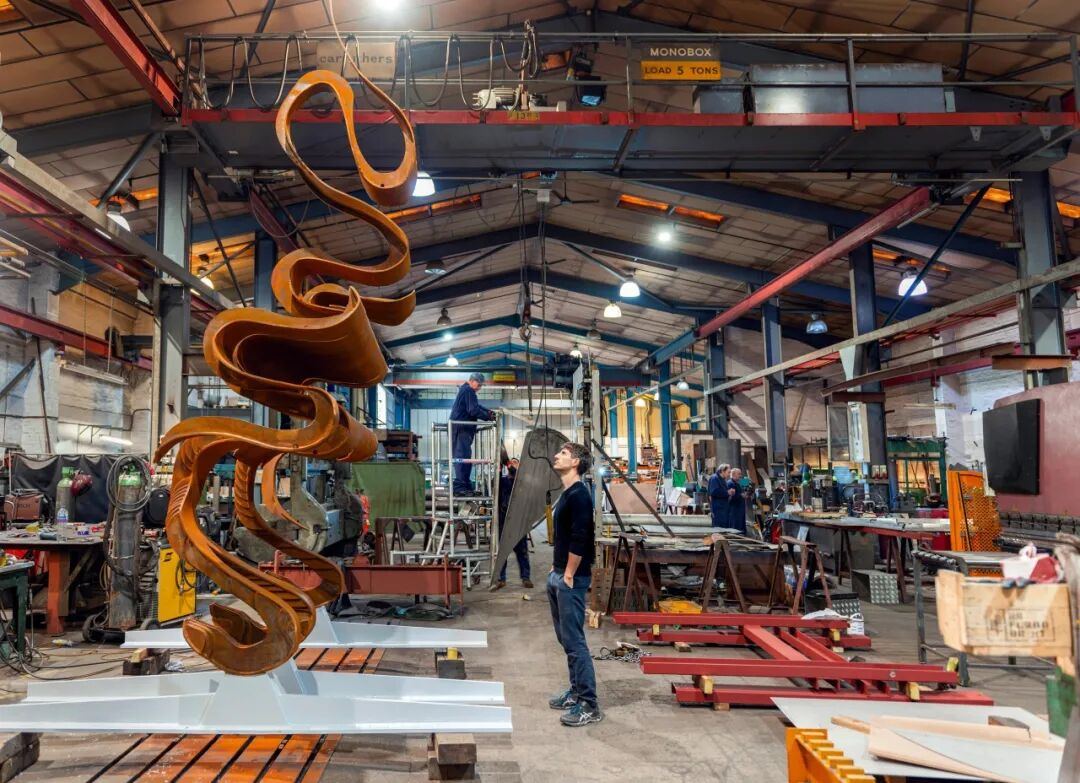
Nick Hornby looks at one of his sculptures.
On the afternoon of 20 October, Rubbing · Translation: An Exhibition of Works by Nick Hornby officially opened at Ningbo Museum of Art. It is the first exhibition of work from the museum's 2026 Artist-in-Residence Studio Programme and will run until 20 November.
Guests from the art world gathered at the opening ceremony to witness this international dialogue in sculpture.
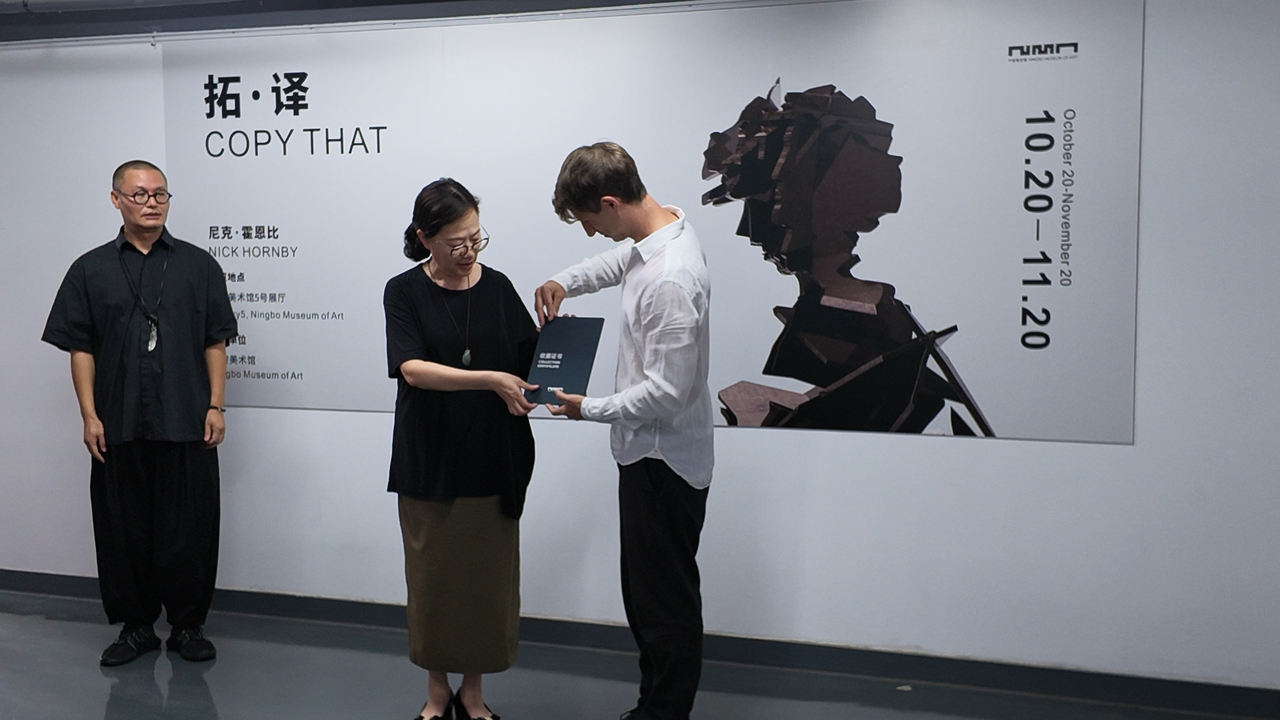
The director of Ningbo Museum of Art presents a certificate to the artist.
British sculptor draws inspiration from Tianyi Pavilion's stone carvings
Established when Ningbo Museum of Art first opened, its Artist Studio Programme is a distinctive international platform for artistic and scholarly exchange. Almost 50 artists from around the world have come to Ningbo for residencies, encouraging dialogue between different cultural contexts.
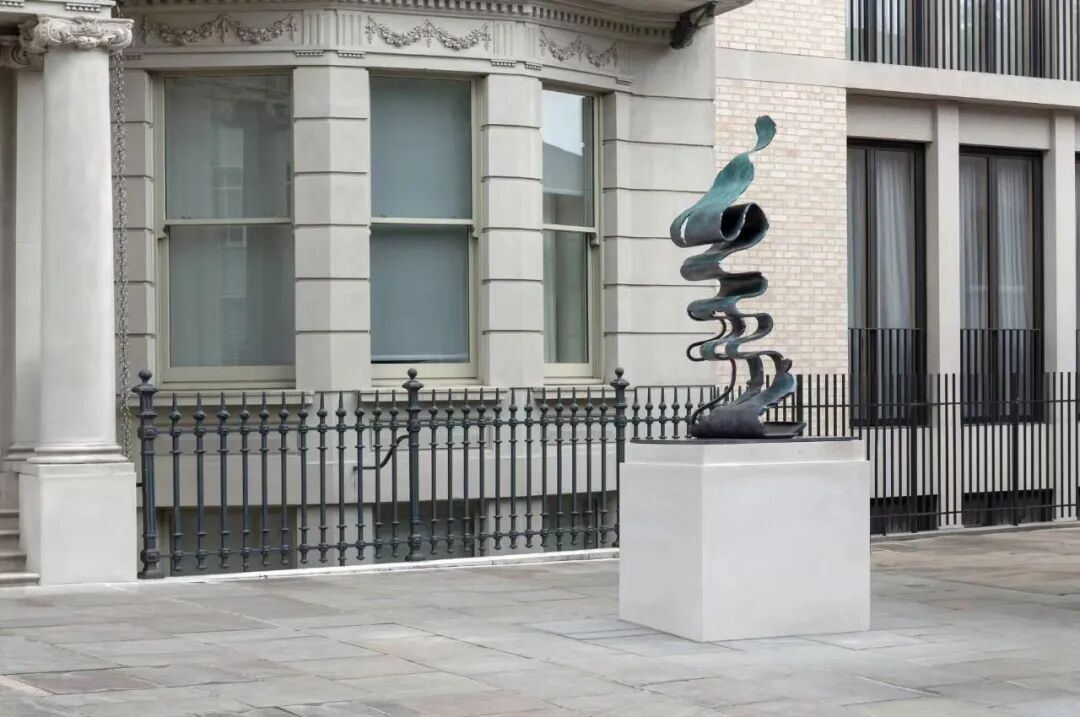
Nick Hornby's bronze sculpture Here and There (London, 2023).
British sculptor Nick Hornby, the current artist-in-residence, is Vice President of the Royal Society of Sculptors and an artistic adviser to the Royal Mint Advisory Committee. He combines digital modelling with traditional sculptural techniques, drawing forms from art history, architecture and visual culture. His works take on strikingly different appearances as viewers change position. In September, Nick returned to Ningbo for a second visit and began a month-long residency.
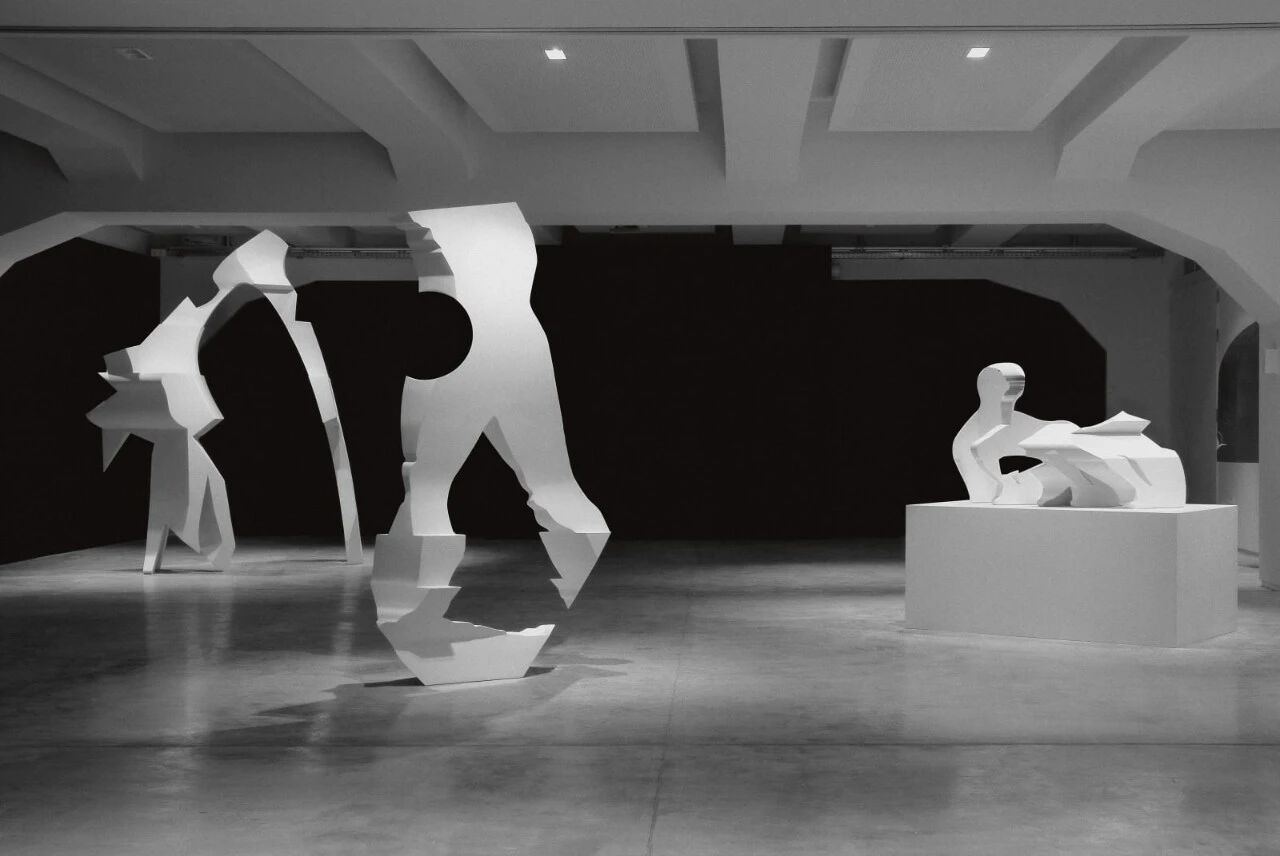
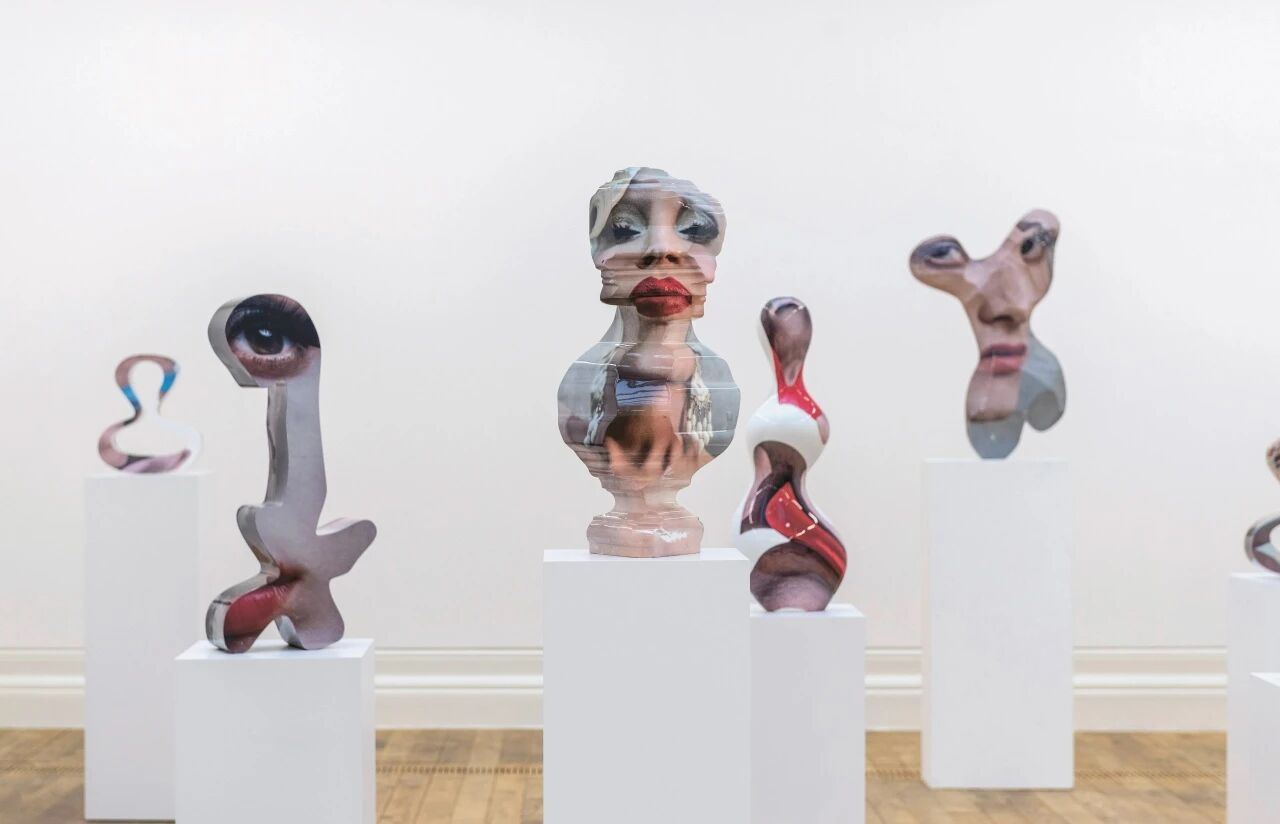
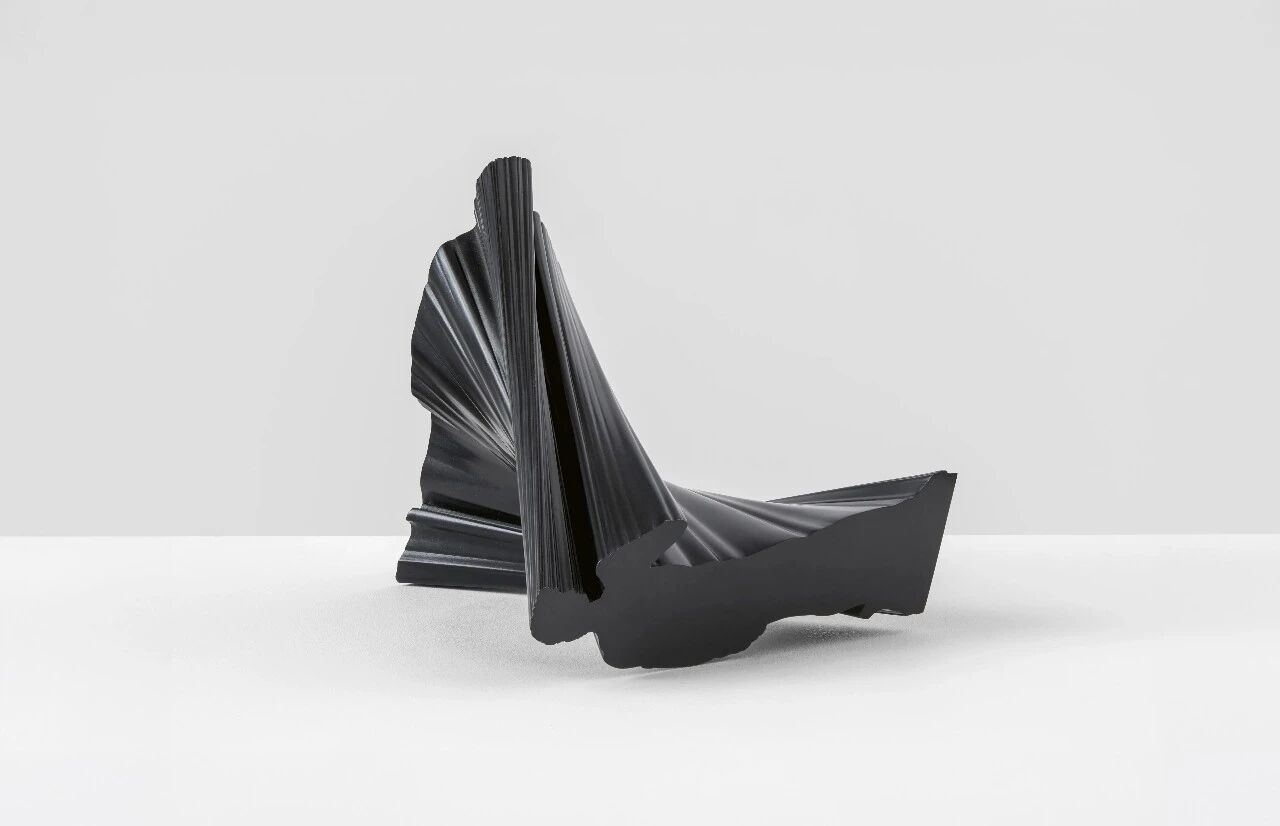 A selection of Nick Hornby's sculptures.
During his stay, Hornby visited Tianyi Pavilion and other historic sites, exploring Ningbo's character as a city of ancient books and a port open to the world. Inspired by a 16th-century stone carving at Tianyi Pavilion, he brought the centuries-old practice of ink rubbing together with contemporary Western sculpture to create new work.
COPY THAT, the exhibition's English title, is a pun: it means 'message received', but also refers to copying and making impressions, practices that have fascinated artists for centuries.
Sculpture brings Ningbo and the British art world closer together
The exhibition moves through three sections: 'Plane', 'Solid' and 'Space'. The first flattens, rubs and animates classical sculptures using the ancient tradition of ink rubbing. The second takes a bronze reproduction of David and produces new forms through digital distortion and inflatables. The third combines historical Eastern and Western architecture, turning digital ideas into physical sculpture.
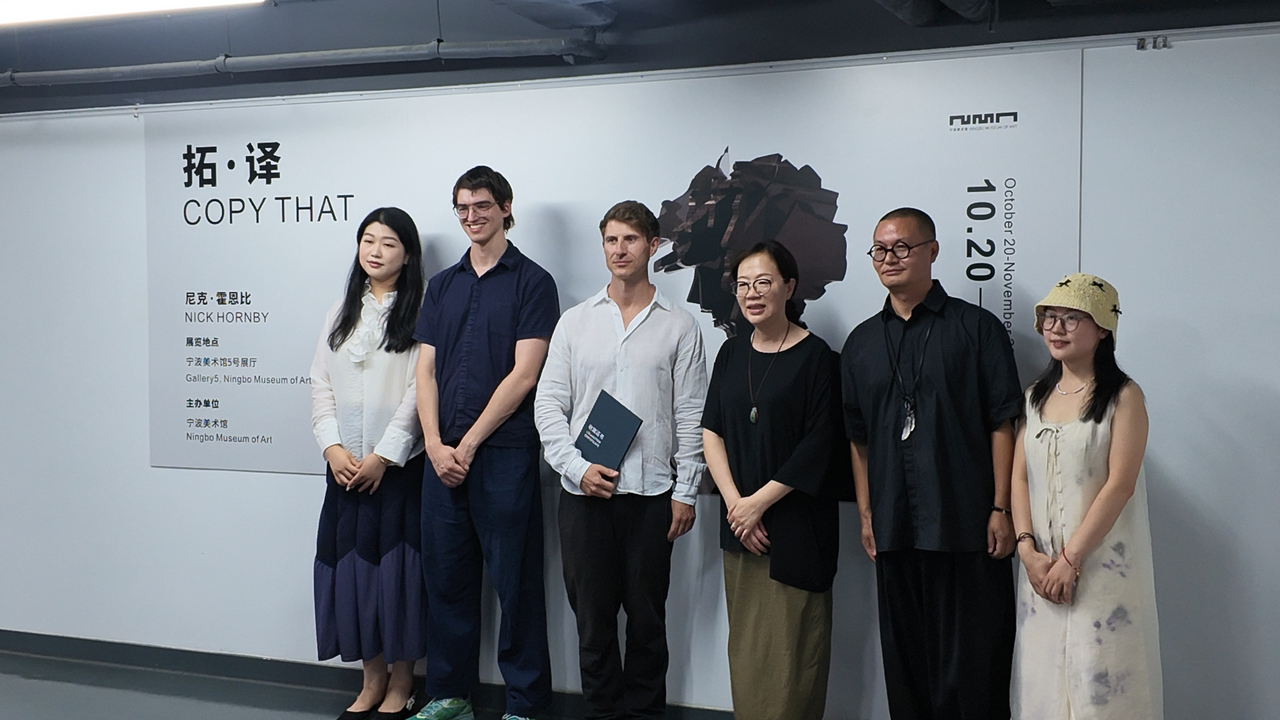
Group photograph at the opening ceremony.
Combining sculpture, rubbings and digital experiments, the exhibition traces images and ideas across materials, technologies and cultures. For Nick, copying is not mere repetition but a form of translation. As things move between media, dimensions, places and cultures, they inevitably change.
At the opening, Nick Hornby said: 'As an artist, curiosity is the driving force behind everything I do.' He hopes this residency will begin further collaboration, strengthening ties between Ningbo and the British art world and giving artists in both places opportunities to learn from each other.
The use of digital art in sculpture is striking
'Nick uses digital art and extensive computation to create three-dimensional sculptures. That is what I find most innovative. Previously I had mainly seen his physical sculptures, but our discussions showed me the depth of his exploration of digital sculpture. We are also planning new activities and hope he will continue making exhibitions and developing applications of digital art and sculpture in the transformation of space,' said Ruan Yuelai, professor at the China Academy of Art and deputy director of its Department of Public Space Art. 'Heidegger once said that art is a very direct way of allowing truth to emerge. Although Mr Hornby's exhibition is minimalist in presentation, it reflects on translation and the movement between cultures. This is precisely its most valuable and internationally significant quality within the platform of Ningbo Museum of Art.'
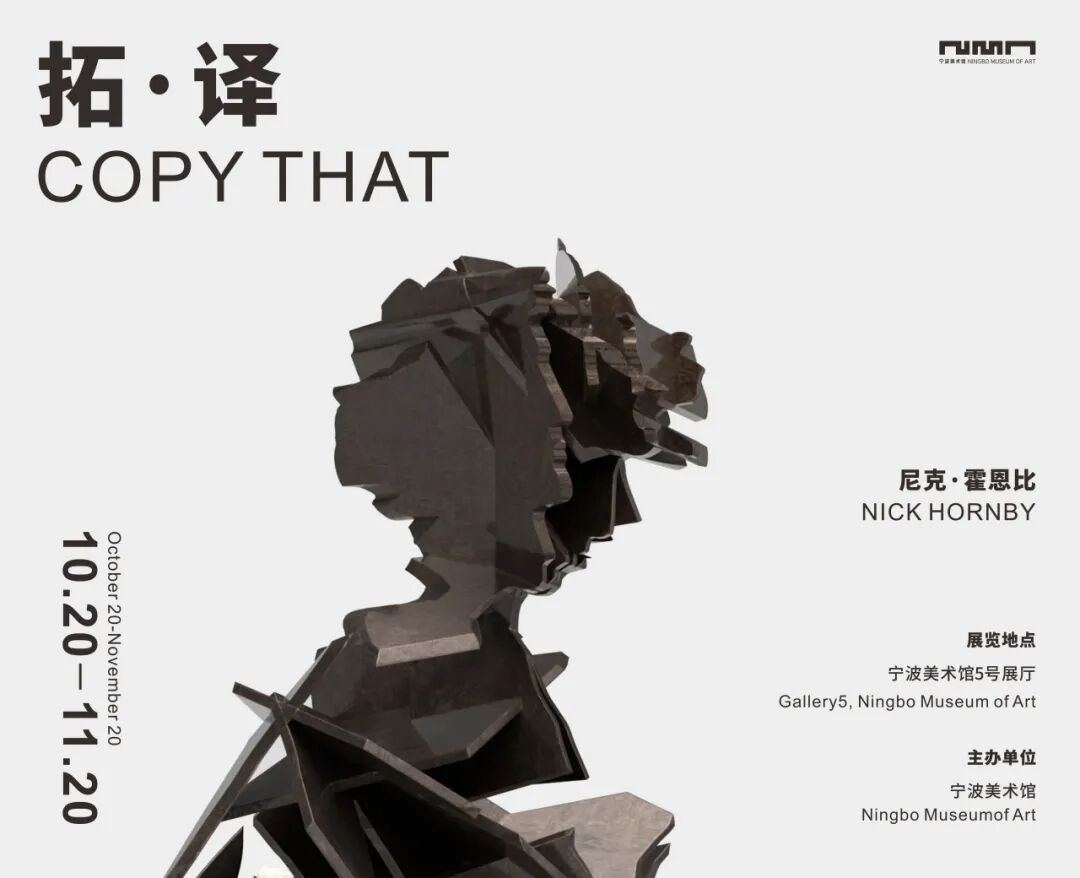
Exhibition poster.
Rather than importing art in one direction, the residency model encourages artists to immerse themselves in local life, engage with the city's history and culture, and turn direct experience into creative material. By bringing the traditional Eastern technique of rubbing into dialogue with digital sculpture and Western contemporary sculptural practice, Nick Hornby both 'expands' and 'translates' these traditions. His work offers a vivid example of cross-cultural artistic practice.
Editor: Zeng Jia Reviewed by: Chen Pujun
Original content by Yongpai. Please credit the source when reproducing.